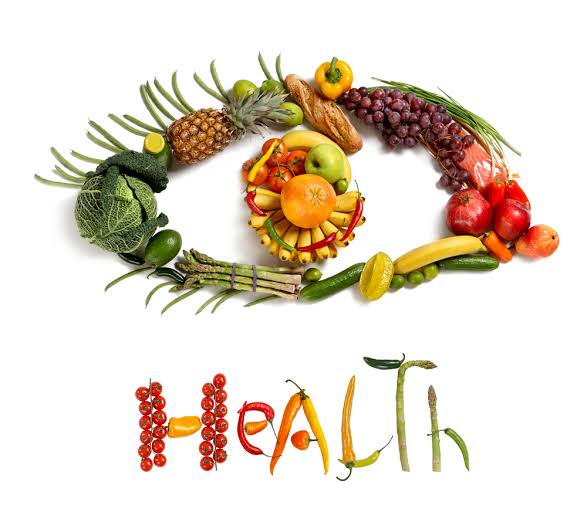
Keep Your Eye on These Nutrients – Key Nutrients That Help Support Vision and Eye Health
by Elizabeth Varga, MS, LD, RDN
Nutrition and its relation to eye health may be commonly overlooked, especially if you have had normal eye exams yearly. As we get older, there are a few age-related eye problems that can affect our vision. This includes glaucoma, dry eyes, cataracts, and macular degeneration, to name a few. While some conditions are genetic, taking care of your health by eating nutritious foods can be a great way to prevent eye problems later or decrease risk.
Vitamin A
You may have been told to eat carrots for better vision, well, that is right! This is because carrots have a pigment called beta-carotene. In our body, this pigment is converted to Vitamin A, which helps protect the retina. Other fruits and vegetables with this particular pigment include sweet potatoes, squash, cantaloupe, and mango. Try to include carrots in your next salad or even roast some sweet potatoes with some chicken in the oven!
Vitamin C
Vitamin C is found in citrus fruits. Its antioxidant properties are great for protecting the eyes. Oranges, grapefruit, lemons, and limes are great examples. There are a few other non-citrus foods like peppers, tomatoes, and strawberries that have small amounts as well. Since Vitamin C is an antioxidant, it can protect the eye from diseases. Note: If you are taking a blood thinner, you may want to talk with your doctor about eating more grapefruit, as it can react negatively with blood thinners.
Vitamin E
This vitamin is found in nuts and seeds. An ounce of nuts or seeds is about half of the recommended daily amount. Studies show Vitamin E can help slow macular degeneration and cataracts. Sources include cashews, peanuts, sunflower seeds, and almonds. Nuts can be high in calories and sodium. Tip: Search for unsalted or unseasoned nuts instead.
Omega-3 Fatty Acids
Omega-3 is a type of healthy fat found in certain types of fish. Studies have linked lower levels of consumption to dry eyes and higher levels of consumption to reduced risk of glaucoma. Fatty fish include salmon, tuna, trout, herring, and anchovies. It’s recommended to include fish in your meals at least twice a week. Omega-3s are also part of the heart-healthy diet, as they can reduce the risk of certain heart diseases.
Other Foods to Keep in Mind
- Dark leafy greens: full of antioxidants called lutein and zeaxanthin that are important for our eyes. Sources include kale, spinach, arugula, broccoli, and brussels sprouts.
- Berries: contain vision-boosting vitamins. Consider making a fruit salad full of blueberries, strawberries, raspberries, and blackberries!
- Zinc: A highly nutritious mineral found in foods like beans and legumes. Choosing zinc-rich foods can help prevent vision loss. Try incorporating black beans, kidney beans, lentils, chickpeas, peanuts, or peanut butter into your diet.
Most of these foods and nutrients we already incorporate into our diets. Making sure your meals are colorful and full of fiber is a great tip to make sure we are continuing to consume these helpful foods!